

Most SaaS companies fail with traditional BI software with their lack of multi-tenant security controls. Qrvey scales thanks to cutting-edge on-demand services and technology. Unfortunately, with the way some embedded analytics vendors price their products, costs add up too fast to sustain. Qrvey knows that SaaS vendors are much better off without per-user fees.
The focus is moving beyond dashboards and reporting toward AI-powered platforms that can identify patterns, explain findings, and help teams make faster, more informed decisions. Connect the tools you already run your business on, let agents handle the repeatable work, and keep a person on the gate. Business leaders often regret enabling both viewing and creating content in a https://aicurated.com/big-data-and-analytics/ shared environment due to the high development workload.
- Enterprise analytics transforms that data into actionable insights, enabling leaders to understand complex information and make informed, strategic decisions.
- Companies that integrate enterprise data analysis into their decision-making processes do not just react to change.
- Enterprise analytics platforms are designed to grow alongside your business, handling increasing data volumes and evolving analytical needs.
- Companies that continuously analyze data can quickly identify shifts in customer behavior, emerging market trends, and operational inefficiencies, allowing them to adapt before challenges arise.
- From retail and healthcare to finance and manufacturing, enterprise data and analytics play a crucial role in optimizing operations, uncovering new growth opportunities, and driving strategic decision-making.
When companies roll out analytics, the survey found, they report benefits such as improved efficiency, faster decision-making, better financial performance, and the ability to identify new revenue sources. According to a recent survey of analytics professionals conducted by the business intelligence software vendor MicroStrategy, data analytics is an important part of the business growth and digital transformation strategies for 94 percent of companies around the world. It’s often said that data is the backbone of today’s business, as data-driven decision-making enables business leaders to make informed choices quickly to boost revenue, improve productivity, and stay a step ahead of the market. Through AI Employees powered by its Generative Workflow Engine™, Ema helps organizations work across enterprise data, applications, and knowledge sources from a single platform.

Data-driven finance, risk and compliance
It’s commonly used by organizations that require flexible, visual analytics across multiple data sources. While Power BI is not built specifically for marketing analytics, AI Act it’s often used to visualize performance data when connected to external data warehouses or ETL platforms. Adobe Analytics is an enterprise-grade analytics platform focused on collecting and analyzing behavioral data across web, mobile, and connected devices. Rolling out an enterprise analytics platform isn’t just a technical project, it’s an operational shift.

Content engines that scale
- Operational analytics teams focus on agility and speed, while enterprise reporting teams prioritize accuracy, governance and consistency.
- By defining your key metrics and KPIs clearly in one central platform, you ensure that you maintain alignment with your business goals across all teams and departments.
- Operational analytics initiatives are often driven by engineering or operations teams, while enterprise reporting is typically owned by finance or business intelligence groups.
- Operational systems prioritize speed and responsiveness, while enterprise reporting emphasizes data quality, reconciliation and historical consistency.
- This ensures that real-time insights and enterprise reports rely on the same trusted business definitions.
This eliminates manual data prep, ensures consistency in metric definitions, and allows marketing teams to analyze campaign performance, pipeline impact, and revenue contribution from a single environment. Enterprise platforms connect to hundreds of data sources, CRMs, advertising platforms, web analytics, ecommerce systems, and data warehouses, merging them into a centralized environment. Enterprise data analytics platforms are designed to meet the demands of high-volume, high-stakes decision-making. Enterprise analytics platforms provide the visibility needed to anticipate shifts in audience https://aicurated.com/ behavior, test new approaches faster, and make strategic pivots with minimal lag. In short, enterprise analytics platforms are not just reporting tools, they’re strategic infrastructure for data-driven organizations operating at scale.
- When someone asks for “Q3 revenue by region,” the semantic layer ensures they get the same answer whether they’re using a dashboard, a spreadsheet export, or an AI-powered query interface.
- Banks, insurance companies, and investment firms use enterprise analytics to detect fraud, assess credit risks, and enhance customer experiences.
- With so many touch points and channels for people to discover your brand online, the digital transformation for enterprises has meant more opportunities to connect with users and potential users.
- Building a successful enterprise analytics practice starts with the right platform.
- Those who invest in building this capability gain deeper insights, improve efficiency, and position themselves for long-term success.
- Enterprise analytics platforms are powerful software solutions designed to help organizations collect, process, analyze, and visualize data from multiple sources.
- Additionally, enterprise analytics enables energy companies to offer customers insights into their usage patterns, promoting energy conservation and cost savings.
Your Free Guide to Analytics Careers
Many large companies struggle to make the most of the many data sources they have on hand. An enterprise data analytics strategy should be easy for the company to follow, relevant to the firm’s specific needs, and updated on a regular basis, according to the data analytics vendor SAS Insights. According to the MicroStrategy survey, developing an enterprise analytics strategy is the most important factor that contributes to the successful use of analytics, followed by gaining executive buy-in and building a data architecture and infrastructure.
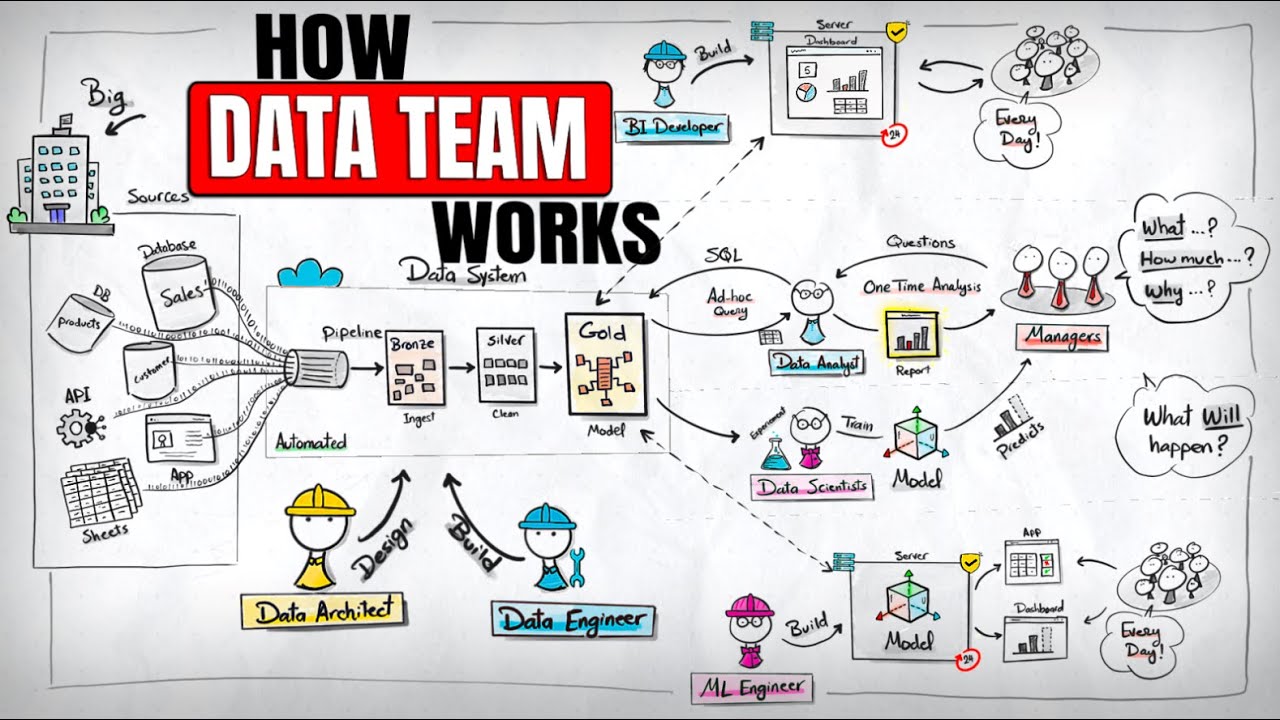

What is enterprise data analytics?
- Many companies have accumulated multiple analytics platforms, creating integration complexity and duplicated data pipelines.
- Enterprise data analytics transforms raw organizational data into actionable insights that drive strategic decisions across every department.
- As a result, it’s critical to address these challenges from the get-go to ensure everyone can better understand the customer experience, increase operational efficiency, and ultimately grow your business.
- Enterprise data analytics is the systematic process of examining an organization’s data across all departments and functions to uncover valuable insights.
- Enterprise data analytics finds applications across various industries, driving efficiency, innovation, and customer satisfaction.
- Retailers use enterprise data analytics to enhance customer experience and boost sales.
Enterprise data analytics is particularly vital for big businesses – the top 1% for size according to European Commission data, with high data volumes and complex data analytics requirements. Top alternatives to enterprise analytics platforms for reporting include self-service BI tools like Tableau and Power BI, 2026 AI technical performance cloud-based solutions such as Google Data Studio, and open-source options like Metabase. They support a wide array of databases, cloud services, and third-party applications, ensuring smooth data connectivity and scalability.
Reasons Businesses Use Enterprise Data Analytics

This article outlines what enterprise analytics platforms are, why they matter, and how to evaluate the right solution based on your team’s Recommendation on AI ethics goals, data maturity, and operational needs. In many large companies, analytics professionals report to managers and executives on the technology side. According to the MicroStrategy survey, less than half of employees at 56 percent of companies have access to enterprise data and analytics tools.
VA Launches RFI for Consolidated Enterprise Data, Analytics and Application Support with $125M in Optional Work – OrangeSlices AI
VA Launches RFI for Consolidated Enterprise Data, Analytics and Application Support with $125M in Optional Work.
Posted: Fri, 30 Oct 2026 07:00:00 GMT source
Voice agents that never sleep

Selecting the right enterprise analytics platform depends on your data maturity, internal resources, and the complexity of your marketing operations. Companies can leverage 100% of their data, including PIM and DAM, while maintaining compliance with internal InfoSec standards. This structure ensures the data can be modeled and queried reliably downstream, whether it’s for pacing reports, performance dashboards, or attribution models.